Transforming Communities through the Black InGenius Initiative (BiGI), University of San Diego
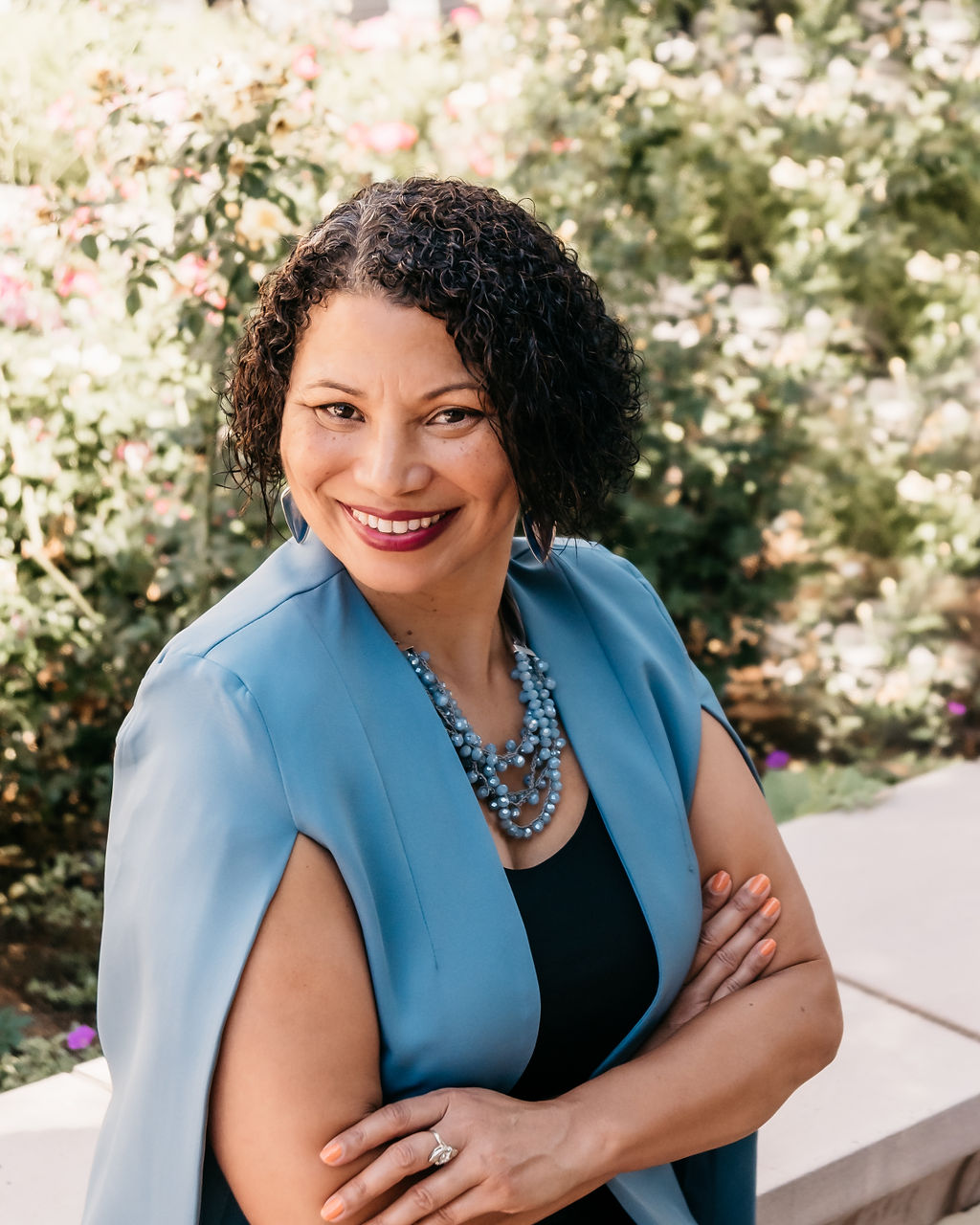
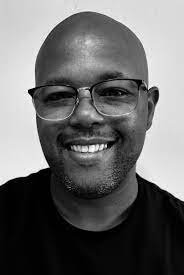
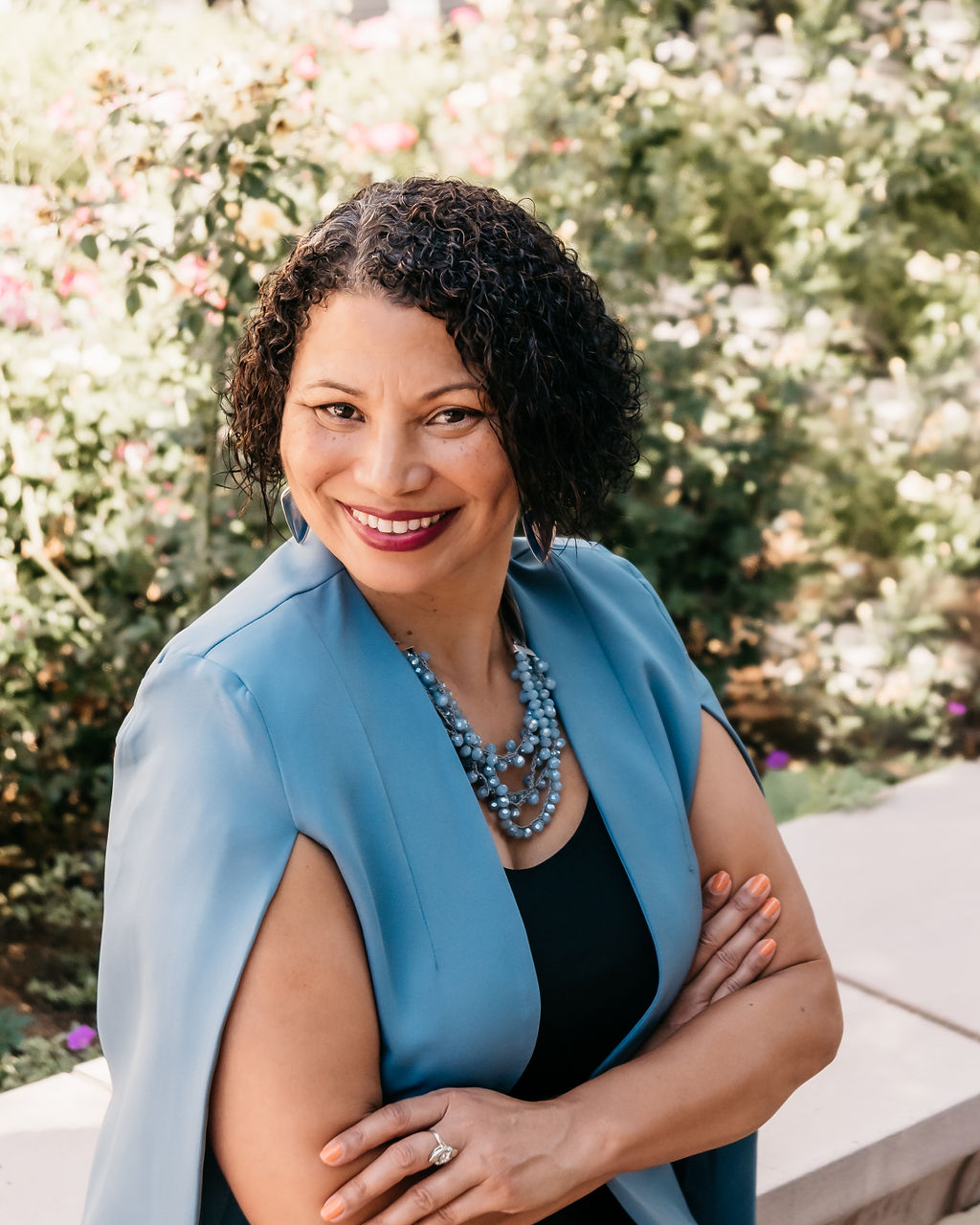
We highlight a powerful on-location episode of EDUP Xcelerated Excellence, where host Dr. Jacob Easley II visited the campus of the University of San Diego (USD) to sit down with Drs. Kimberly A. White-Smith, Professor and Dean, and Sean Green, Assistant Dean for Innovation and Community Engagement, at the School of Leadership and Education Sciences (SOLES).
Against the backdrop of USD’s 75th Anniversary and its Catholic social justice mission, Drs. White-Smith and Green reflect on their personal equity journeys, the evolving realities of students and families across California, and the work of building institutions that truly see and serve Black, Brown, first-generation, and adult learners.
At the heart of this conversation is the Black InGenious Initiative (BiGI), a signature program supported by a $1.5 million grant from the San Diego Foundation’s Black Community Investment Fund. Serving Black students in grades 6–12 and their families across San Diego County, BiGI is designed not only to affirm Black genius in K–12 spaces, but also to provide broad institutional support, including pathways that meet the financial needs of students who continue their post-secondary studies at USD.
Below are three stand-out exchanges from their conversation.
Staying to “Leave It Better”: An Equity Journey at USD
Dr. Jacob Easley: “Dr. Green, as a two-time graduate of the University of San Diego and now the Assistant Dean of Souls, what has your equity experience been on this campus?”
Dr. Sean Green: “Hard-hitting. So my equity experience on this campus. I mean, you know, I think about a lot of different things. One is that when I first started here a very long time ago, I'm not going to date myself, but I had a lot of good mentors who were equity-minded and made sure that they helped connect me to the resources and the programs and the people on campus who could really assist with my own education and with the groups that I was affiliated with.
From there, as I continued to grow and advance in my education and now to becoming an assistant dean, honestly, it all sums up with the dean now. My equity experience continues to be shaped, but really, I have a really good North Star. Not to brag about the lady sitting next to me, but she's a great North Star for what equity should look like in a higher educational institution, specifically in this education school.
I'm a big believer of when you end up in a place, so when you start somewhere, whether it's entering someone's home or entering someone's institution, I try to make sure that I leave it a better situation than when I arrived.
And when I got here, I felt like this was a good place for me. I felt like this was a good opportunity, good education, all that kind of stuff. But I think it's fair for me to say that over the past 10, 15, 20 years, it's been a goal to make sure that we continue to move towards what equity actually looks like in education. So for me, that experience has been, I need to continue to advance forward towards true equity here.”
From Foster Care to Educational Justice
Dr. Jacob Easley: “Dr. White-Smith, I know a bit about you and your childhood and you and I have served on professional boards together and published together, but I have never asked you this question, either as a child or an adult, what experience has most significantly shaped your commitment to educational justice and equity?”
Dr. Kimberly White-Smith: “So as my friend, you know that I grew up in the foster care system. I had wonderful foster parents, DC and Cleopatra White, who took myself and my brother Prince Charles Willis into their home. And I think seeing my mom advocate for my brother, because when we started school, the social worker labeled Prince uneducable and actually put that in writing on his chart.
Because we were foster kids and my mom formally adopted me over time, but it was challenging to do that for Prince because of additional supports that were needed to transition him. She didn't have the power to compel the courts and the school system to change the label. And so they refused to remove him from courses where he was only being taught life skills and had absolutely no access to the academic curriculum.
So she pulled us out of public school and put us, funny enough, into Catholic school. We were Catholic school educated first through 12th grade, and our elementary school was in Gardena, California, and we were taught by a group of nuns who were from Hawaii. So our teachers were brown like we are, and so they participated in culturally relevant practices. They would sing songs, they would dance with us, and it really connected us to what was familiar to us from our home life and the way we learned.
I remember graduating from 8th grade, and I was valedictorian of the class, feeling that I was smart. Through my elementary school experience, my mother didn't even explain or carry over our records from public school. We just started clean slate, and Prince was treated as any other kid was treated, and he ended up graduating from Sarah High School in Gardena also with average grades. He went on to be an entrepreneur, he worked various jobs, became a father, and he became a grandfather.
I lost him last week, but he, talking about North Stars, has always been my North Star. What it means to experience neurodiversity and not being recognized for the genius that is within you, and how we as parents, as educators, as citizens need to advocate for all children to have access to academic curriculum and to be able to recognize within each child their own brilliance.”
The Black InGenious Initiative (BiGI)
Dr. Easley: “So can you describe The Black InGenious Initiative or BiGI initiative or operation for us and how did it come to be?”
Dr. Kimberly White-Smith: “I can begin that. And then I think Dr. Green can share a little bit about how we've operationalized that dream. So this started out as a conversation. When I came to San Diego, everyone shared with me that I needed to meet Pamela Gray Payton, a vice president at the San Diego Foundation and former USD employee who founded the Black graduation celebration here. She has really been a part of the San Diego grassroots community advocacy movement.
When she moved to the San Diego Foundation, she began doing a lot of good work in the philanthropic space—getting nonprofits and funders to think strategically about supporting larger swaths of the community. I decided to meet with her, not to ask for money, but to see how I could be down. I wanted to express, this is my background, this is what I do—my work is around uplifting marginalized communities.
She said, ‘I have this conundrum.’ Their data showed Black students in San Diego County were not being served well. They have higher expulsion rates, limited access to the academic curriculum, and the lowest test score gains of all subgroups. No one could tell her why.
I explained this is my work. I call it benign neglect—our Black students are monolingual English, and there is this idea that there shouldn’t be any barriers to their academic attainment, so they’re kind of ignored. They are impacted by racialized policies and historically inequitable systems.
So that was the beginning of BiGI. We brainstormed: What will flip this? We know the problems. What works? How do we help the community think differently about how to address Black students? That was the impetus—focusing on the genius that exists within all students and identifying the strategies and elements needed for them to experience success.”
Listen to the Full Episode
“Drs. Kimberly A. White-Smith & Sean Green—Transforming Communities through the Black InGenius Initiative (BiGI)” on EDPU Xcelerated Excellence, hosted by Dr. Jacob Easley II, PMP.

Anti-oppressive Education and the Non-neutral Role of Schools in Social Equity

