


 Spotify

 iHeartRadio

 Apple Podcasts

 TuneIn

 Pandora

 Audible

 Amazon Music

 YouTube

 Castbox
Ed Alvarez and Dr. Cheryl Ingram—Dismantling Inequities for Educational Excellence at the Silicon Valley Equity in Education Institute
Our Guests, Ed Alvarez and Dr. Cheryl Ingram, are Executive and Executive Deputy Directors, respectively, of the Silicon Valley Equity in Education Institute (SVEEI).
Ed’s education experience spans the past 25 years, including roles as President and Board Chair of The National Hispanic University, The Foundation for Hispanic Education, and the Latino Education Advancement Foundation. Currently, he serves on the board of English Together and is President of the San Francisco Bay University Education Learning.
Dr. Cheryl Ingram, known as Dr. CI, is a nationally recognized DEI strategist, entrepreneur, and filmmaker with over 20 years of experience transforming organizations through data-driven equity design. She is the CEO of Inclusology, a consulting and analytics firm that has partnered with companies such as Netflix, Uber, Foursquare, and the University of Washington to build sustainable and measurable DEI systems.
In this episode profiling the Silicon Valley Equity in Education Institute (SVEEI), we discuss efforts to close educational and economic equity gaps by connecting underserved communities to pathways in technology and innovation.
Your Host: Jacob Easley II, PhD, PMP
Sponsor NAESP. National School Leaders Conference–Powered by NAESP is designed for Pre-K–12 principals and assistant principals, featuring high-impact learning tracks, networking, and the newly added "Camp Lead-A-Lot" retreat. Held July 13-15, 2026, Orlando, FL, learn more and register at naespconferenence.org.
Resources:
Greeting: Dr. Rosa Rivera-McCutchen
Research Assistant: Emma Worthington
#EDUPXE #EDUCATIONALEXCELLENCE #EDUCATIONALEQUITY#XEListeningTour
0:03 Money doesn't matter, right? And why does it matter? Usually people who say things like that tend to throw money, that tend to throw money at problems with inadequate solutions. So they are to think money doesn't matter, right 'cause you've thrown millions of dollars, maybe billions of dollars at a problem and you didn't solve it. Well, the money isn't the problem the way that you create systems are, right, Because because the money can be sustainable. When money is sustainable, so our systems. And so when, when I think about when people say things like that and, and what makes money matter, I think it's important for if you come from an impoverished background, because my mother used to tell me there's a difference between being in poverty and being poor, right? Because you could be rich in with a poor life, but when you in poverty, that is economic. And so when you think about economic poverty and the way that where people come from, it's all the things that Ed listed even before that they do with leap. It's about what kind of support systems do students need one to be able to attend, but also families the need to be able to support.
1:01 Because I, I mean, I saw a report this morning that talked about minimum wage not changing in 15 years in some places, but cost of living has skyrocketed and. This is Doctor Rosa Rivera McCutcheon, author of Radical Care, Leading for Justice in Urban Schools, and you're listening to Add Up Accelerated Excellence. Welcome to the Add Up Accelerated Excellence podcast, and we would like to share an opportunity for educators to contribute to our XE Listening tour this week.
1:48 Take time to listen to a community member regarding their educational excellence and equity experience because we believe that by listening, we unlock the engine for powerful educational transformation. Share your insights via voicemail at Add Up xe.com and your comments may be shared on air with the podcast. That's the XE Listening Tour at edupxe.com. School Leaders this summer your leadership journey continues in Orlando. Join the National Association of Elementary School Principals for the National School Leaders Conference July 13th through 15th at Disney's Coronado Springs Resort.
2:32 Connect with principals, assistant principals, and education leaders from across the country for powerful conversations, practical strategies, and inspiration you can take straight back to your school community for instructional leadership and school culture to Wellness and success. This conference is designed for leaders at every stage. Learn more and register today at NAESP conference.org. That's NAESP conference.org.
3:18 Welcome, welcome, welcome to Add Up Accelerated Excellence, the podcast for the advancement of educational excellence and equity. And I'm your host, Jacob Easley, the second PHDPMP. And today we have two brilliant guests. We are returning to San Francisco Bay University, where we last spoke to the Provost, Brad Fuster, and he mentioned the wonderful work that's happening out of the Silicon Valley Equity and Education Institute. So I said we need to follow up. And today's guests are the Executive director and Deputy Executive Director in this order, Ed Alvarez and Doctor Cheryl Ingram. So I'm going to ask both of you who would to introduce yourself to the add up accelerated excellence audience by giving voice to your name is only you can. And just tell us briefly what's top of mind about the work that you're doing at the institute.
4:20 So we'll start with you, Ed. Sure. I'm Ed Alvarez and I've my background is that I've spent the past 25 years in in education, both at the undergraduate level as well as graduate level. I've, I've been, I've been involved in the operation of a university that served only low income students. I've, I've operated 3 different charter schools serving low income students and, and also have headed up a program that supports low income students through their first two years of college. So that's, that's the background from which from which I come. And, and of course, top of mind for me is, is ensuring that we all better understand the, the situation that all of these students that we're going to be referring to are facing in, in today's ever changing education profile. We're going to talk a lot about AI in particular, but that that's what's top of mind for me. So, Doctor Ingram, will you please introduce yourself for us?
5:45 Yes, hello everyone. My name is Doctor Cheryl Ingram and I've been doing this work for about 20 years, since 2026 years now over 20 years and I started out in higher education working in multicultural center, department of Black programs and working on collaboration for students who come from marginalized backgrounds and identities and higher education. I've been an elementary school teacher, I've been AI, am an entrepreneur, have been an entrepreneur for a long time. I've worked in nonprofit for over 15 years. So I've worked in every element of work that you could think of, from education to nonprofit to for profit in building equitable systems. My background is in DEI, diversity, equity, and inclusion and producing equitable outcomes by analyzing data with an equity lens.
6:35 My first PhD is in education with a specialization in multiculturalism. And my second one that I'm currently I'm about to graduate is quantitative and it is in business administration systems. And I'm working on building DEI measurement validation systems that are sustainable around the world. And what's with the front of mine for me is how do I play a role in supporting populations that are marginalized as the world moves forward and where it currently is through the work that we do? You, you mentioned first doctorate and now you're finishing a second doctorate. And I'm just going to say kudos to you because that is absolutely amazing.
7:17 You have way more energy than I do these days. So. Thank you. Go ahead, go ahead. I'm thinking that that we're going to start addressing her soon as Doctor, Doctor. He said Doctor Squared. I love it and but today if it's if it's OK, we can use first name. That's OK perfect. So both of you, which is so amazing. You have backgrounds in both P12 education and you're currently now working in higher education. But I want to take us back a bit because I think it's important to let folks know. How did you come into the profession itself? What drove you to nurture your passion for education? Well, beginning with me, let me say that, that my parents only achieved 8th grade education, but they were very clear as immigrants coming into this country that, that their children needed to go further.
8:23 And, and of course I was, I was the first born. And so I received the first opportunity to, to do that. And, and so as I, as I, I practice law for 25 years. And at the conclusion of that, I decided that, that a more, more worthwhile, that my time could be more worthwhile spent in, in doing the things that, that supported me or addressing the issues that supported me as I went through undergraduate law school and, and, and postgraduate work after that, I taught in, in the law school. So all of that is what what brought me to where I am now. And for me, I grew up in a low income area, poor, Black, had a very supportive mother and my family, and my grandmother was a community advocate.
9:22 And my mother kept me in what we used to call the Afro American bookstore in our neighborhood, teaching me about systems and how they impact people who come from poverty, especially black people. And I'll never forget it. The one reason I jumped in education when we first went to college, I went from Omaha, NE to Las Cruces, NM and 13 of us went down there from the same same neighborhoods because we grew up together, but also a friend of ours got a scholarship. So we all went down there. By the third year there was only two of us left because everyone else just had to go home for a number of different reasons, whether they were pushed out the institution systemically or their personal reasons that they had to go home but they didn't complete college. And it was always related to either something socio economic or bureaucratic in the institution. So that really drove a passion for me to investigate systems to understand why students don't complete education because I had just been seeing it my entire life since high school, but especially in college.
10:23 Thank you both for that. So I can really see how that that those experiences can drive passion, particularly for the work that you did today to support students who may not be successful were it not for your efforts and the efforts of of your team that you work with there at San Francisco Bay University. So Cheryl, I want to start with you. Your work sits at the intersection of research identity and systems accountability, so you often emphasize that equity must be measurable, as you mentioned in these two doctoral degrees and structural. I've heard you use that word already, so when did you begin to see the world in that perspective? You know what out To be fairly honest, I've never ever been asked this question before, but growing up in elementary school, I was in a gifted program for math and science. And so I started to see the world through numbers probably at the age of 6 when I first got identified and put into science programs, science and math programs specifically. And we used to go to these challenges. I was in a group called Mesa Math Engineering Science achievement, and they would give us difficult problems to solve and we would have to use math and critical skills. And I think that's really the first time I started started to see the world through that kind of lens. Yeah, so that, and I know that program and, and, and your work with the Latin, your work with
11:53 the Latino Education Advancement Foundation, you achieved an 87% college completion rate for low income first generation students. And Doctor Cheryl is is giving you the the snaps. So what were the key conditions that made that achievement successful 87%? Yes, thank you. I, I've, I've always felt that the, the, the system doesn't directly address the needs of, of students, whether it be undergraduate or, or during college. And So what I did was I, I designed a program that I felt would address the needs and, and that program consists of providing our scholars with, with some financial support, partnering them with mentees, mentors that attended the same schools, same background, and providing those mentors with financial support.
13:00 And then in addition, requiring the parents who had very limited knowledge of, of the college experience, requiring the parents to engage in workshops and learn about that first year of college for their students and become better informed. And we paid the parents to participate in those programs. People ask me, why are you paying the parents? And I said my answer was or is everybody else at the education table gets paid, so why shouldn't the parents, You know, why are you paying the mentors? Well, the mentors are actually holding two or three jobs during their college career.
13:42 So if we're going to take part of their time, we need to pay them for that. We've been very successful in that regard and getting a significant number of mentors. And then we establish an emergency fund. And that fund is you. We, we distribute maybe fifty $60,000 a year out of that fund. And that fund provides a student who's, who's ready to drop out because they can't pay their car insurance or can't pay a month rent. And, and we found that that if we give them that one month or we give them that one payment, they stay in school. I mean, we, we know this in this 80%, eighty, 7% rate.
14:23 And then of course not, not least, not last, but least is the mental health that we partner with a mental health partner that provides both the parents and the students with the emotional mental support that they need. So we put all that together and, and, and this is a unique program in that sense because most programs don't pay mentors and they don't pay, they don't pay parents and they don't have emergency funds. We put up that together and in this holistic approach that we've taken and and and the success is evident. We are our students are achieving that that persistence rate, that persistence rate of 87% is compared to 26% at the California State colleges and so we know it works. I said that's brilliant and I'm going to throw a question to both of you.
15:18 And this is a response to what we've we've we've all probably heard that money doesn't matter. Money is not the solution. So in this case, you talked about incentivizing and, and I'm going to change the word from incentivize. I'm also supporting the mentors and the parents. Why is funding important? Why is money important in these type of ventures to support students that perhaps come to college under prepared? Let me take the first stab at it because I just had a discussion with a, with a group that's based in Washington, DC, Northeast Washington, DC.
15:59 They, they, they operate a, a college, a college support program, career and college support program for high school students. They have 150 students that they offer this program to all 150 are African American. The average family income of that of that group is 30,000 a year. Over on the other side at Latino Education Advancement Foundation, the average family income of the families we served is 60,000. And so it's, it's almost, it's almost self-evident as to, you know, how important is the financial support. That's, that's, that's my view, Gerald.
16:43 Yeah. I think so. You you said an interesting phrase, Jacob, if I may make sure I repeat it accurately, that money doesn't matter, right? And and why does it matter? Usually people who say things like that tend to throw money that tend to throw money at problems with inadequate solutions. So they have to think money doesn't matter, right? Because you've done millions of dollars, maybe billions of dollars at a problem and you didn't solve it. Well, the money isn't the problem the way that you create systems are, right? Because because the money can be sustainable when money is sustainable. So our systems. And so when, when I think about when people say things like that and, and what makes money matter, I think it's important for if you come from an impoverished background, because my mother used to tell me there's a difference between being in poverty and being poor, right?
17:27 Because you could be rich and live a poor life, but when you in poverty, that is economic. And so when you think about economic poverty and the way that what people come from, it's all the things that Ed listed even before that they do with leap. It's about what kind of support systems do students need one to be able to attend, but also families the need to be able to support. Because I, I mean, I saw a, a report this morning that talked about minimum wage not changing in 15 years in some places, but cost of living has skyrocketed. And depending on the skill sets that you have, the ability that you have to be able to stay in school and get a halfway decent paying job, which isn't even a guarantee war. And so you need money to be able to, to support systems and people who come from impoverished systems and tear down systems and build new ones.
18:14 And, and the amount of money that we spend matters, but also the way that we spend it matters. And the way that we measure it matters because I think that people often look for measurement in order to give you money. They want to see outcomes. But what you have to understand is you also need money to get to those outcomes. And so we sometimes create a double edged sword in the space of giving and support when it comes to sustainability. And what does it look like to support a black or Latino or Asian or even a white student that comes from an impoverished background in our institutions that we built that aren't made to support those students unless we have systems like student support services, financial aid, loan grants and not loans that they have to pay back and go into debt once you graduate, even from undergrad or your family gets in debt trying to get you through college, right?
19:00 So, so that's why that's part of the reason why money matters. Yeah, I really like them and and I felt, well, I felt a tingle as you were talking because you're talking about systems which I think it's so important and often times when we think about solutions or even even we say what is the issue? We're looking at the manifestation but not necessarily the cause. So we are trying to address what we see as the outcome, but that does little. When we we extend, we tend to replicate the same issues because we haven't gotten to the root cause. And it does take a systems approach. We're speaking with Ed Alvarez and Doctor Cheryl Ingram, who are the executive director and deputy director of the Silicon Valley Equity and Education Institute.
19:50 And let's talk about the institute a bit. So what led to the creation of this institute, and what were you seeing again in the system that made you feel something fundamentally different was needed? Well, first of all, let me say that that I, I was fortunate in, in approaching San Francisco Bay University who offered me a platform to talk about the issues that I've experienced over the past 25 years and the resources to do that. And so I'm grateful to, to the university for, for providing us with this, with this platform. And, and of course, what it's all about is, is addressing this, the inequities that exist in the system today that really limit the, the, of both the social and the economic mobility of, of these, of these students of this, this, this part of our population that, that comes from low, low income, low poverty areas that come from backgrounds where their parents have limited education, where they don't have a network to support their, their endeavors.
21:06 And, and so Cheryl and I have spent a lot of time talking about how can we address those problems, How can we address those issues in the institute? And I think we, we have a plan to do so, But but that's, that's, that's part of the work that we're doing. So you want to add to that? Yes, so and everything that Ed said, I second that. And you know, when we look at education and educational inequity and economic inequity, I think that would the those are the things that we want to advocate for. And the thing that makes the institute different from some of the programs that you see now is that we're not just assessing the data with a very critical equity lens.
21:50 We are also, as we assess that data, looking to build solutions alongside the assessment. So we diagnose what we see is the root cause and then we create, we design a process to see if we can address or how we will address those challenges. And Ed and I had a lot of conversations about strategy because I came into the Institute 8 months ago, and it was around about a year and a half before that. And they were already doing really great research. And so now we've been in the space of we're starting to do the research. We started to develop the data and the profiles and analyze it in a way that we haven't necessarily seen before. But before we put that data out into the world like everyone else has done, how do we do it with solutions in mind and then talk to people about those solutions, especially Community Center solutions with all the partners that we have, including SBSBFU.
22:39 But also looking to partner with other organizations in communities that are doing very similar work or fit into a model that we want to design more like an ecosystem in order to address the inequities that we see. So I'm going to ask you to paint a picture for me. I'm a student who is prime to be to participate in the work of your institute. How would you describe your work to a student who is coming to San Francisco Bay University? And I'm going to ask, I don't know if your students are only limited to students at San Francisco Bay or is it open to other students? But what would you, how would you describe the Institute to a young person who may need be in need of your resources?
23:26 Well, let me first say and then let let Cheryl add on, because I think as you can tell, Cheryl's a lot more eloquent than I am on some of these subjects. And so I, I often defer to her for that for that reason. But basically we're open to all schools. San Francisco Bay happens to be our, our, our, our partner in, in this platform. But, but every every, every form of higher education is what we're addressing in both Community College certificate programs, workforce and and and and four year college. So that's the answer to that particular question. But Cheryl, take it from there. We're.
24:08 Not there yet. We we still don't work directly with students. OK, Yeah. So so I thought. But I can tell you the vision for what? There we go. Let's get to all right. OK. So, so the vision is one of the things that we've been focusing on in our strategic plan and whether the future look like as we delve into it with the work that we're currently doing now is building support systems for students and being able to connect them to those. But also even funding processes for different students. Sort of like the model that Ed already talked about with Leaf is like, how do we take all of the how do we get you one into a track where you're going to be successful and create a quality of living? Is that certifications while you are in a degree? Is that a degree program that's adequate for you?
24:51 How do we make sure you get paid while you're doing that so that it is sustainable and support your family? What does it look like to connect you to community and business partners who may be hiring for certain roles? And how do we make sure you are prepared for that role, whether you going as an in turn and then you are retained into a full time role right in the job that make sure that you have career mobility and a live a livable, comfortable wage as you do that role. So I think for me, the vision right now is that, but I have a much deeper vision for even what does it look like to go to a student in K through 8th grade, right? So as we work with, for example, AI solution companies that focus on math and literacy, how do we diagnose students who are who are struggling in those particular areas? And how do we link them with the proper tools to be able to get them to a place where it is successful, where they are meeting expectations or exceeding expectations for math and literacy.
25:47 So we, I see us as being the bridge to make sure that we connect and offer those services and develop innovative programs for students in K through 8, but also nine through 12 and then into higher education. So it's the three different sectors that we want to build support systems for. And. Let me add something to that, Jacob, that that's I think critical and that is both currently and in the scenarios that that Cheryl just described. We're fortunate and I think you have some of this background in your interview with Brad. We're fortunate that we're part of a university, which is, which has a curriculum that's AI driven, both undergraduate and, and, and, and graduate courses.
26:35 And so it's very clear to me that we have to take that AI expertise and deliver that as part of his support to students that they have to have AI fluency and literacy as they move forward through this system. And you know, I can comment a lot about that, but but but AI is an important part of this. Yeah, Brad did mention San Francisco Bay University as a disruptor using and and leaning in on all of the merits innovation. So we know that whenever you do have merits, there's always going to be some other issues, and we can talk about that in a minute. So. So Cheryl, for clarification, is starting to focus.
27:18 Currently it's for college students, but with the aim of expanding to students at other levels. Yeah. And our, our current research is all it's, it's mostly K through 12 right now. It's where we focus in the beginning. So let's talk about the research, because I've read a couple of your reports. Quite sexy by the way. And in your study you describe a dual equity crisis, declining enrollment along with widening disparities. So what does that actually look like in the day-to-day experience of students that you are thinking about and and then the work that you're researching Ed?
27:59 You want to go first or you want me? To yeah, I'll make a comment on that. I mean, the, the in particular, the dual enrollment goes to basically house schools are funded in the state of California and, and, and that, that, that funding isn't, is a true part story. One part is that that you can either choose to take your funding from property taxes and or you take what the student, what the, what the state is allowing you to have and is available for you to have. Those that take their student their their their support from property taxes are in in high value neighborhoods, they have high property taxes. And so they're always going to choose the property taxes over the state allotted allotted income. And so that that immediately causes, you know, this disparity in terms of how much money different schools get to support their students.
29:02 And and, and so that I think is that that's the first part of this. Yeah. And I'll, I'll discuss the the widening of the gap, right, because then I'll give you an example. Just last week, we were digging into data in Santa Clara County. And as we looked at that data, one of the things that we see is especially post COVID, but also during COVID, there was a large drop in population, even attendance for certain populations, students who, who are unhoused and, and we even seen a difference in discipline for students, right? And so we've been seeing, for example, a drop in population for black students, for Asian students.
29:43 And when you, when you look at the correlation of how that exists, you look at things like poverty is students who are socially, economically disadvantaged, right? They fall into that category and even the the suspension rate while not while we don't know if significant 100% of students that we saw in certain data are 100% STD are being suspended from school or expelled from school. And so you see this widening gap because we look at, for example, we looked at data to see, well, why are some of these gaps exist and why is there such a huge drop between 20/20/2020 and 2021, even to 2021 and 2022? So I had to go digging into other reports that talked about the exodus, especially at black families in the Bay Area during COVID because of the loss of jobs and the rise of cost of living, right?
30:32 And so you see these widening gaps pushing people out of their neighborhoods, pushing people. And you push people out of neighborhoods, you push them out of schools because a lot of those people have families and their kids attend those schools. So now they have to relocate, right? And then you seen, I think we've seen one of the level of unhoused students rise three times. It went almost from 13%, I believe, to 50%. So now you see these gaps starting to widen. And when that happened, you've seen the test scores in math and English dropping. And so there there's a significant economic contribution to what is happening to students, particularly in this area and probably all over the United States.
31:14 But since our data is specifically focused on the Bay Area, you start to see these trends and how they correlate and may even be a causation from one to another. And so we have started to publish data and we have another report dropping soon for some of the same things, just with a different perspective. Because I don't know if people really are paying attention to how economically it is truly impacting education when you look at the crisis that's happening in the Bay Area. And I think we should also go back to the, to the funding issue. And, and, and that's important because because of this structure of property taxes versus state allotment, the with declining enrolment, the portion of the state allotment goes down proportionately. If you're in a property tax school, you don't lose any money because the property taxes in fact are going up. So they can have declining enrolment, but still and have at least as much or more money to educate those students. On the other hand, those that are getting their state allotment and this happens, this isn't just in California, there's other states that have the same system. Those that have the state allotment they're in, their revenue goes down, but they can't cut all the programs or they have to cut critical programs. And so that just puts more pressure on on those students that need more help.
32:41 And so it's a lot of it is also directly related to this funding formula. So for those of us who live in states that don't have that system, how does the school, I mean, what's the process of choosing your funding formula? Is it at the district level or school level to? The state level, the state determines that. The state determines that, yeah. So they allocate, they allocate based on on the formula that that provides both the state allotment and the property tax. So they're going to, obviously, the state is happy to give you more of the property tax because that's less burden on the state. And so the state does that a lot, maybe at least in California.
33:29 OK. Thank you for that. And so I was really interested and surprised that your research challenges the assumption that being in a high resource region like the Silicon Valley doesn't always lead to equitable outcomes. And sure, I think you kind of explain some of those shifts in economic trends and you're seeing a rise in unhoused families and communities. Why do you think this is happening? Well, let me, let me just, and Cheryl, and I know it's going to add to this, but, but let me put it in, in actual real dollar perspectives. The, the, the schools in Silicon Valley that are in these more fluent neighborhoods and are receiving property tax monies, they spend about $25,000 per student. The schools on the other side of town that are receiving only the state allotment because their property tax values are lower, they receive about $17,000 per student. So there's $8000 per student that can be invested in education in those affluent neighborhoods versus low income neighborhoods.
34:46 And he's asked me a huge question. I'm going to try to be as succinct as possible, Jacob. But when when you think about why that's happening, why the poverty rates are increasing, I think we can't have that conversation without discussing, for example, big tech and what has happened since it move has moved into our neighborhoods, right? And, and it's created some of these high paying jobs, but the people who are living in the surrounding area aren't being hired for those jobs. Now that's a whole nother conversation that I won't get too deep into. But you've created, you've caused the median income to go up and you're hiring people, but a lot of those people are not from those neighborhoods. You move them in and then the people in those neighborhoods get moved out, which is gentrification, right?
35:30 And then you have this increase in poverty and you have this increase in being a house slash homelessness. They depending on which language you decide to use because families can't afford to live in that area. For example, if you look at Oakland, median income is $90,000 for a family of 4, Right? But but the poverty level is what, at almost thirty, $40,000 per year on average? The average house in this area is now $900,000. Between Alameda and Oakland, 500 to $900,000. Families can't afford that. So now they got to go someplace else and live where it's cheaper. And then we live where it's cheaper. Depending on property tax. Like Ed just said, the allocation per student is smaller, which means educational resources may be less right and then access to quality jobs might be less.
36:19 But also, if we can't get these companies to hire our people, and I have to say this from the islands, look at cultures that do hire our people but then mistreat them and they don't stay, All of those things are problematic. It is an ecosystem of bias that is impacting the poverty and living in our communities. I, I think I use the word appreciate a lot, but I have to say I really appreciate that example because it really sings to issues that we're seeing nationwide, but not necessarily looking at it and, and that perspective. So you're right, when you have certain industries that move in, they're going to attract folks, often those who are highly educated or skilled.
37:03 And then once you know, and, and, and of course they want these people to stay and live in the area. And so overtime, property values increase and it does push out those who are undereducated, particularly when you talk about a generation of communities that are undereducated in order to be able to contribute at high levels to those new industries. We're not talking about low level coming in and being a maintainer or what we call the housekeeper, so I can definitely see that happening. So I appreciate that explanation. And may I just have one more thing? Oh yeah, the amount of empty businesses you see around Oakland that used to be owned by mom pop families because property taxes raised.
37:52 So people who even had didn't have formal education, but have skill sets and being able to build quality businesses and products can't even afford to serve their products in the community because they can't afford the rent that it cost to have a, a space in Oakland, for example. So it's it's the personal living, but it's also businesses that are being impacted and driven out. Yeah, I, I appreciate that. So this really speaks to the increased value of the work that you're, you're that you are heading up and spearheading and developing at the the institute. So your findings also suggest that graduation rates can improve while college and career readiness remains low.
38:37 So what are we missing when we focus too heavily on graduation as a measure? So not sure are we getting into measurement as a success? What are your thoughts on that? And it does speak to dual crisis and equity. Yeah. Let me just comment on on that part of it. And that is the reality is that, that and, and the statistics are that there are over 2 million socially economically disadvantaged students in California schools today. And, and, and those, those students are, are being served by schools that are under resourced, that don't have enough money to provide all of the programs that that support and support that that these students need. So as a result of that fact, the schools basically focus on what they know how to do and that is complete graduation requirements and so have them fulfill all the courses needed for graduation. When those students come to graduate, which is, which is almost 2/3 of the students, they're only prepared for entry level jobs.
39:56 They are not prepared for college or career because they haven't been permitted prepared or been given the opportunity. And so when they graduate with the only Ave. available to them is a minimum wage entry level job. And then I get back into AI that do that, that that those minimum wage jobs are going away. They're not going to. They're not going to exist anymore. So what it what are those, what are we going to do with that with, with, with those, those families and those students that are, that are impacted that way? And so you know that that that's, that's that's where I come from. Yeah, I was really going to say everything. I agree with everything I had said because that's what I would say. And I want to make sure you said also that are going to college and completing college but not completing high school. Did you also ask that?
40:46 So the idea of the focus is on college and career readiness remains low even though we're seeing graduation rates might be improving. So Ed's, and I think that makes sense. So Ed is saying that we're focusing on the goal is to get folks completed. And and you didn't say this, Ed, but I'm going to put words in your mouth that getting having folks complete does not speak to the quality of preparation. And So what you're saying, right, oftentimes what we're seeing is folks are are prepared to graduate, but are only ready for maybe entry level or low. And I don't want to say low status because all work, honest work is good work. And we need folks to do, we need, you know, we need services at all levels.
41:35 But in order to address the challenges that Cheryl mentioned around the rising costs in a particular region, even though you've now graduated, you probably won't be able to stay in your own community. You have to go somewhere else. You can't afford it. Yeah, and, and, and again, you know, I, I keep going back to the to the funding and, and the reality is that in these under resourced schools, they do not have the capacity to provide the college and career type of classes that these students need career pathway classes more, more college prep classes. Whereas on the the other side of the coin, there are schools that the school is funded by property taxes, they're starting their students in the 6th grade with college and career counseling that doesn't exist in under resourced schools. Their hands are full with just getting them to graduate. Yeah.
42:41 And I have nothing truly to add to that and said everything I would have said about students graduating and not being prepared and also about AI, all of those things out snap and 2nd that. AI, we're going to talk about that. So your approach emphasizes early and sustained investment starting at as early as K8 with mentoring and exposure to AI and real world learning. Why is early intervention so critical from your perspective in closing the opportunity gap? Yeah, I'll start that. I think that it is so critical because we like at an early age, you start to expose students to capabilities of what they will need in order to be successful in either higher education or career and or both, right? And when you think about how we build those things, you, if you look at data that we've created or that we've not created and data that we found about K through 6th grade education, you still see that there is a decline in math literacy and reading literacy.
43:48 And currently what our systems are doing are not working. But we also see more schools are being closed. Just 2-3 weeks ago, San Jose closed 6 elementary schools, 5 elementary schools, right? Because of the lack of resources and even attendance in those schools. And so I think that it's important to expose students to what the future looks like, but also keep in mind how fast it is evolving and teaching them to evolve with it, right? Because like we said, those early jobs, those jobs that you can get at 141516 years of age are no longer going to exist. So it's like, how do we prepare students to, to, for career mobility even at an early age? Because what if you don't want to go to college, right? But if you you want a good paying job outside of high school, what does that look like? Or even while you are in school trying to help your family survive.
44:39 And so the skill sets that students need, if you compare us even to other countries, we often get left behind because they learning those skills in 6th grade, they, they learn in those schools those skills in, in early education. And we have to start teaching students that in a way that is, and I have to say it, culturally relevant and cultural pedagogy and andragogy, even to teaching our children how to be a part of systems and not just be a part of them, but also build them right. Because we don't, we want them to be innovators and creators as well as participators. And so sometimes we train and industrialize our students to become part of a system and to keep it functioning and we have to do more even intervention and teaching them how to build their own. And we, we just not there.
45:25 I'm pausing because I don't know if you want to. Add anything. I'm just, I continue to. Be I continue to be call let's. Call it hung up. On, on how, how funding impacts our ability to address these problems. And, and, and just to give you an, an, another example, in our area, we have, as I indicated, the schools get about $17,000 a year to educate the children. There's a private school part of a national chain that I was involved with, the Crystal Ray Jesuit Academy that's in, that's also lives in our area and recruits exactly the same students and they spend about $25,000 per student, 100% of their students graduate ready for college or career, 100%.
46:28 So again, going back to your money matters and and what we're talking about, we can solve this problem by the redesigning the system, reallocating resources or getting more resources so. Again, I'm hearing systems. And resources matter, yeah. And and. And I would say I want people to understand that when I talk about systems, I also we're speaking about people as systems and the roles that you play in building them because the educators, the administrators, those people, we need those people, right? And a lot of them, I think know how to do it and know what to do, but are at capacity when it comes to resources.
47:10 And that includes people as resources and support systems. When you look at ratios of students to, for example, support staff and teachers in K through 12, but education. So I just want to add that layer that when we talk about systems y'all, we also are including the people that make the systems function. I'd concur with down that one. Thank you for listening to the add up. Accelerated Excellence podcast and we would like to share an opportunity for educators to contribute to our XE listening tour this week. Take time to listen to a community member regarding their educational excellence and equity experience because we believe that by listening, we unlock the engine for powerful educational transformation.
47:56 Share your insights via voicemail at Add Up xe.com and your comments may be shared on air with the podcast That's the X belisteningtour@edupxe.com Have you ever? Felt like. Everyone else in education has their people, their network, their place to grow, and you're still searching for yours. The National School Leaders Conference, powered by the National Association of Elementary School Principals, is where school leaders come together to reconnect with their purpose, to find fresh inspiration and remember, they're not doing this work alone. This July 13th through 15th in Orlando, you'll hear real stories, learn the practical strategies, and build relationships with leaders who truly understand the challenges and joys of this profession.
48:55 Whether you're an aspiring leader or ready to lead the school community, this experience is designed to help you grow, recharge, and lead forward with confidence. Learn more at NAESP conference.org. That's NAESP conference.org. I'm going to shift just a. Bit so you're integrating AI into the learning into learning and workforce preparation. And so this is sort of the tenants of San Francisco Bay University as well.
49:41 What does that look like for folks who have not had a chance to interact with the institute that integration of AI in both into both learning and workforce preparation, first of all. Let me show you the. I was going to say this anyway, but if we don't do that, if we don't integrate AI into learning, we're going to have a crisis of unknown proportions because of the just the pure number of, of, of families and students that are as, as Cheryl indicated a minute ago, are not at grade levels in reading or math in the 3rd grade and certainly not in math by by the 12th grade.
50:33 And, and, and these students are going to be looking around to, you know, how they can, how they can sustain themselves upon graduation, AI and, and, and becoming fluent in AIAI literacy and fluency. It's got to be incorporated into everything that we teach every, every part of the instructional system. And I think that, you know, here at the institute, we're going to advocate very, very strongly for, for this. It's a social justice issue as far as I'm concerned, Darren. And and for me, I'll focus on. Solutions and how we do it. And I think that one of the things that we want to do is we don't necessarily have to be the builders of it. The institute is in a place where we say we want to know who's building it and who's doing it well. And then how do we get your tool into the classroom? And then how do we measure it and scale it to get it into other classrooms?
51:29 So our goal is to link with innovators, but also build spaces and education where students can become the innovators in that space. So there's 2 dimensions to that for us. Community, collaboration and then implementation in education. And I think that's where we stand and trying to figure out artificial intelligence and making sure also have we have a system to regulate and measure the artificial intelligence because we often sometimes recognize that the people that build it don't always consider the populations that need it. And, you know, I sat in on a webinar the other day and saw some AI and I heard educators saying our students won't relate to these avatars, right. And how do you make them more culturally relatable so that our students will pay attention?
52:12 And so so it made me think as part of our mission in the institute, how do we make sure that these systems are set up to serve our students adequately as opposed to coming in and filling the gap and then creating another gap. And I think that that that lens really matters when we think about equity in education. Yeah. And that also speaks I. Think that, I'm sorry, issue of diversity in terms of how do you connect with folks, folks And I'm, I'm thinking of, we talked about learners, but I'm thinking about young people when you, it's not a given that they're going to want to pay attention to whatever you have to say. So you have to figure out a way to make it attractive for them.
52:55 And part of that is being able to connect, meeting them on their own term. So I think that's why particularly in the education space, diversity is so important. Agreed. And I was going to add. That. That a critical part of this is apparent engagement. The the the parents need to be engaged. Parents need to be as as conversant with, with AI as, as their, as their, as their children are going to be, because that's going to be the common denominator as far as communication. And so I think that that we can't lose focus of, of the role that parents are going to play, You know, at the, at the university, they're, they're, they're now promoting HI even more than then or as, as a, as a partner of AIHI human intelligence and that that we cannot lose a human factor. And that's particularly true with with with our communities of color, so.
54:06 I actually had a question. And I think you both have already began to address it. So I'm liking this energy. I'm going to ask it anyway. But the question is, and we're talking about AI in this in this regard, what risks concern you with a is especially when it comes to bias access and who benefits from these technologies. Yeah, I'll. I'll start. One of my first risk is environmental because we see that there's a huge issue with water and a data centers when it comes to artificial intelligence. So that is a challenge for me because I think that will impact communities, especially impoverished communities the most because that's where they place them.
54:50 And then the second is it I kind of did already start to talk about when people, when it's human based, it's human bias, right? And so depending on who is building technology, that is who it will favor. And I've already had these challenges in working with ChatGPT and, and asking ChatGPT certain questions where I get a racially induced answer. And I have to ask it, well, where did you get that answer from? And it says, well, I was built on European white Western ideologies, right? Like I have to call that out. And so when you think about if humans are behind the scenes building it, humans are inserting their bias in it. It's the same problem we've seen with every evolution of technology. When hand sanitizers were first created, they didn't work on darker palms, right?
55:35 When seatbelts were first created, they were killing women and children because they only tested them on men and then black and women and weren't building them right. And so that's why I'll say because I go on a tangent about this. When technology is being built, the builders have to come from diverse populations because you need diverse thought and people think you can say diversity of thought without thinking about diversity of identity. And it does not work that way. I mean, so, so that is those are my challenges because if we are are left behind in the building of it, we will be left behind in the outcome of it, yeah. And I would add to that. That one of the things that that has to happen is to make the delivery of AI culturally relevant and, and, and, and, and it without that our children are going to be left behind. And, and the complexities, you know, there's a, there's a lot of being discussed today about hallucinations, about the ethical use of AI and, and, and the like. And, and, and I think as this evolves in, in my opinion, we're going to, we're going to become more and more skeptical of what AI is communicating to us.
56:55 Because in, other than in math, what, what these large language models are doing is they're scraping every bit of information they can from every single sector you can think of. And then they're coming up with their version of the answer. And, and, and, and for our communities, we have to solve that. We have to address that problem. And that's going to be a big, big deal in, in, in the system today, Cheryl. Yeah, I said my piece and. I completely agree with everything that you said and we're. Speaking with Ed Alvarez. And Doctor Cheryl Ingram, who are the Executive Director and Deputy Directors of the Silicon Valley Equity and Education Institute. For leaders who are listening to this podcast, whether they are in P12 schools or higher education or in politics, as you mentioned, these different stakeholders, what is the one concrete thing that you are learning for your work at the institute that they can do differently tomorrow to begin addressing educational inequities? What is the one conch?
58:08 What is 1? Concrete thing that they can do. That's a great, that's, that's a great question, but a very good question. And I think that the what we would like it to be, what we would like it to be is, is an an understanding that this system has to be redesigned and, and, and we have to change or we're going to suffer the consequences. Yeah. And that's what I I would say that to who whatever stakeholder I was speaking to, yeah, I would echo that.
58:51 An added layer of even dismantled systems, right? Because we, I think in education sometimes we see a lot of traditionalism in the sense that we've always done it this way and it's not working. It's never worked. Whether it's No Child Left Behind, Race to the Top, you think about all these initiatives that we've put a ton of money behind, education, they never work in the way that we. Hoped that they would and. So at some point I want leaders to get into a space right now, and at some point it is urgent now to think about how we dismantle systems and redesign them to work in a way that they never have before. I'm going to push you, OK? So, and I agree with you, both of you, coming from someone who thinks systems and I will say that that expression, we've always done it this way as a full stop. I mean a period hard stop, not ellipses. Ellipses means, OK, we've always done it this way, but let let me think about it.
59:52 Let me no, not that it's just full stop is the kiss of, I don't want to say death, but it leads you to atrophy. You're becoming obsolete. But at the same time you're saying dismantle the system. A lot of people have been successful in this system. A lot of people. Have made. Money off of these systems. So when you say dismantle them, how do we even start? Yeah, I think. But one of the clear starts for me is getting rid of standardized testing as a means for how to measure intelligence and success. I think that if we're going to start, simply start there so that you give educators the the freedom again to redesign curriculum in a way that is relevant to students in their classrooms. That's where I would say start first. If we going to start easy, and I don't mean to say that that's easy, of course, because it's a billion dollar industry, but start there.
1:00:51 That goes your tail. Systems. Let me show you that there there. There's, there's already an evolving example in, in this, in this, in this space. And that is, if you take a look at what, what the tech firms are doing today different than what they were doing 12 months ago in hiring people, they're no longer concerned about what college you graduated from, what GPA you got and how well you wrote your, your, your resume. What they want to know is, and they're doing this, they're now interviewing. Their interview really now consists of what critical skills have you learned and, and what project based learning do you have?
1:01:47 And we're going to give you a project as part of the interview process to solve. And if you pass all of those, you're going to get higher. It's not going to make any difference. You know what your GPA was in school. We have to take that same mentality and take it back to where where it begins. And that is K through 8, Yeah. And I would. I would even. Push back a little bit Jacob, can you say a lot of people have been successful in this system because that is true. But if we did a ratio of the number of people who have succeeded versus those who it has failed the the ratio is going to lean towards the pop people who it has not served well.
1:02:29 And I agree with you will will my. Point to that was those who have been successful in the system are likely to have a challenge to changing or dismantling the system. This is correct and I. Don't think we'll ever not face that. Yeah, you know what I would like to at this. Point is to have you share with the Adam Accelerated Excellence community what's next for the work of the center. You have a strategic plan which you are developing. Well, not developing the the plan is developed, but you're developing your work in a progressive way informed by the strategic plan. But what's next for the institute? And Charlotte, I know you have your own organization as well. What's next for that?
1:03:17 How And what I'm getting at is how can folks connect to this work that is so valuable that both of you are doing? So what's next from either the institute or some of your individual endeavors? And then how might the add up accelerated excellence community connect with those? Yeah. So I'll start. We have three specific initiatives that we are focused on launching and designing for the institute. The first one is AI and research and education, and what does it look like to create solutions and assessments in that area. The next is AI and community collaboration and building partnerships and around artificial intelligence and equity in our in our communities.
1:04:00 And then the third one is AI and workforce development. And what does it look like to create work opportunities for students in high as early as high school as well as in college. And so we will be moving forward engaging in those three initiatives simultaneously to, to create solutions and bring them to our educational system in Silicon Valley. And I, my company is called the inclusologist. And part of the work we do is really in alignment with what we do with the inclusologist, which is analyzing data from an equity lens and then building solutions to support whether it's a business or an educational institution or a nonprofit. And so it's just everything that I do is rooted in this work. And in particular, that is in high alignment with what we do with the Institute.
1:04:47 So let me say that. Before we conclude, I really want to thank you Jacob and add up accelerated excellence for this opportunity. And this is really the first time that that we've gotten to speak to some of the great questions that you've asked. And I think they're going to help us as as we continue to develop our program and and every time that that Cheryl and I speak on on separate platforms, we learn more from each other in that respect. So, so thank you for that. But but the next step for us and and certainly we would invite the end up accelerated excellence and listeners is we're going to form strong advisory boards. We need, we need the best counsel we can get and, and we need a lot of thought partners.
1:05:46 And so the advisory boards are going to be the way in which we do that. So if you have any listeners that that are interested in this subject, happy to share our, our, our contact information so that so that we can engage them in this discussion as well. So thank you, Jacob. Thank you. Thank the both of you. Actually, and we're going to put your contact information in the show notes. So there you have it folks. If you are interested in the work of the Silicon Valley Equity and Education Institute and you don't have to live in silicon in the Silicon Valley, clearly, then do reach out to Ed or Doctor Ingram. And with that, I want to say to the both of you, thank you for this opportunity to learn with and from you because I've also learned something as we seek to advance educational excellence and equity here to add up accelerated excellence. Thank you both.
1:06:48 Thank you. Thank. You thank you for engaging with Ed. UP Accelerated Excellence, a member of the Ed UP Experience network of educational podcasts, and we encourage you to participate in our XE Listening tour by listening to the educational stories of others and sharing your thoughts with us at EDUP. xe.com school leaders join us at the National Association of Elementary School Principals conference in Orlando, FL July 13th through 15th. Learn more and register at NAESP Conference dot org. You can find this and other episodes on Spotify, iHeartRadio, Apple Radio, YouTube, and other outlets where you listen to your favorite podcast.
1:07:32 If you like this episode, don't forget to follow us and share within your network. To leave a comment or suggest a guest, contact us online at EDUP xe.com. A special thanks to our research. Assistant Emma Worthington, APHD student of Fordham University School Psychology program, and we want to hear from you. If you have feedback on this or other episodes or would like to nominate a guest, contact us online at EDUP xe.com, where you can leave an e-mail or a voice message. That's at UP xe.com.

Deputy Executive Director
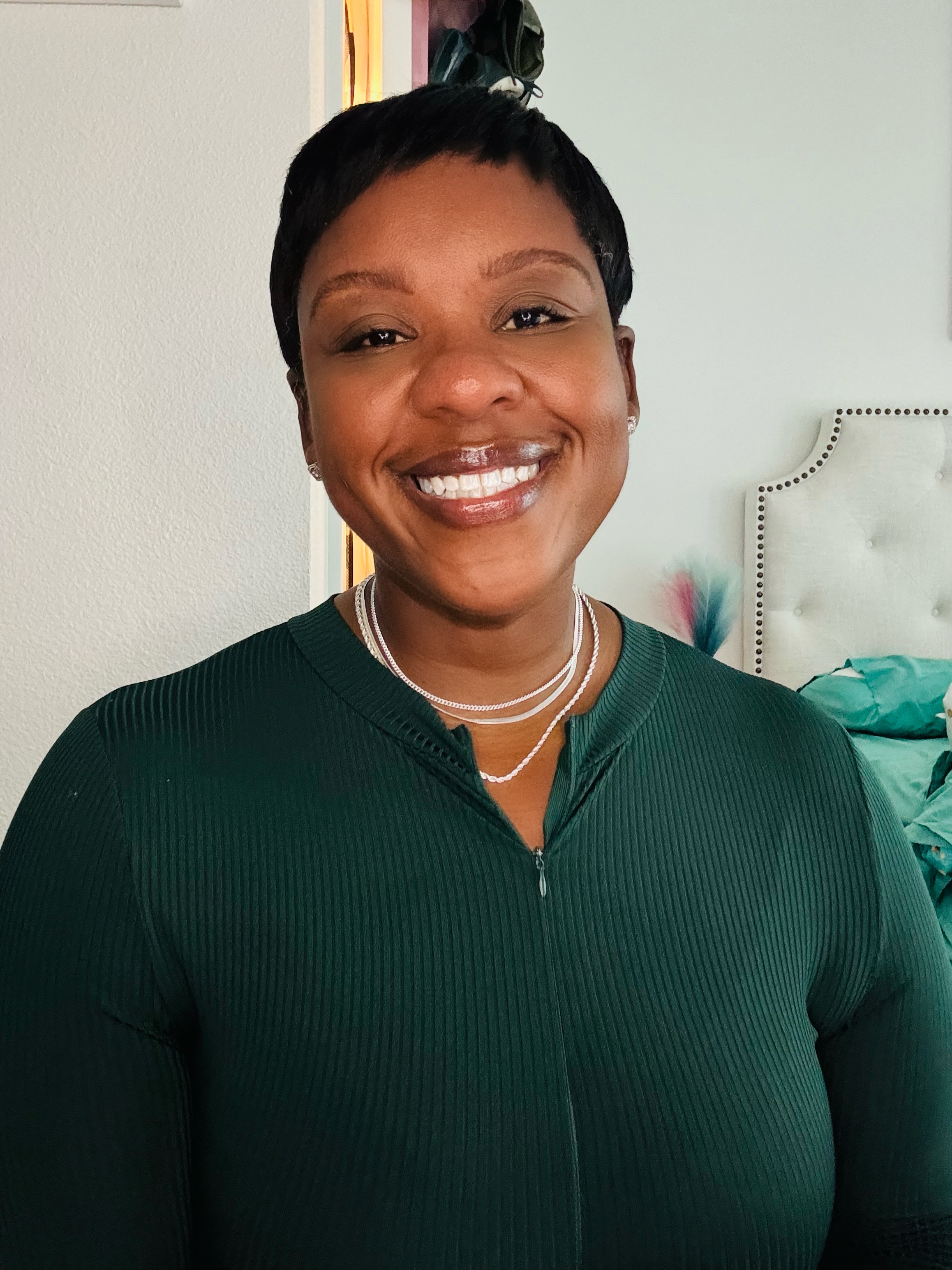
Dr. Cheryl Ingram, known as Dr. CI, is a nationally recognized DEI strategist, entrepreneur, and filmmaker with over 20 years of experience transforming organizations through data-driven equity design. She is the CEO of Inclusology, a consulting and analytics firm that has partnered with companies such as Netflix, Uber, Foursquare, and the University of Washington to build sustainable and measurable DEI systems.
Dr. CI is also the Deputy Executive Director of the Silicon Valley Equity in Education Institute (SVEEI), where she leads efforts to close educational and economic equity gaps by connecting underserved communities to pathways in technology and innovation. Her current work focuses on leveraging AI, research, and workforce development to redesign the education-to-employment pipeline and create scalable, systems-level change.
She is the author of DEI-ing and Soulful Words, and the producer of award-winning films including You’re Smarter Than You Look and the DEI-ing documentary, now streaming globally. Dr. CI is currently completing her second PhD, a Doctor of Business Administration at Pepperdine University, where her research focuses on how leadership identity influences DEI outcomes and the development of measurable frameworks for sustainable equity.
Executive Director
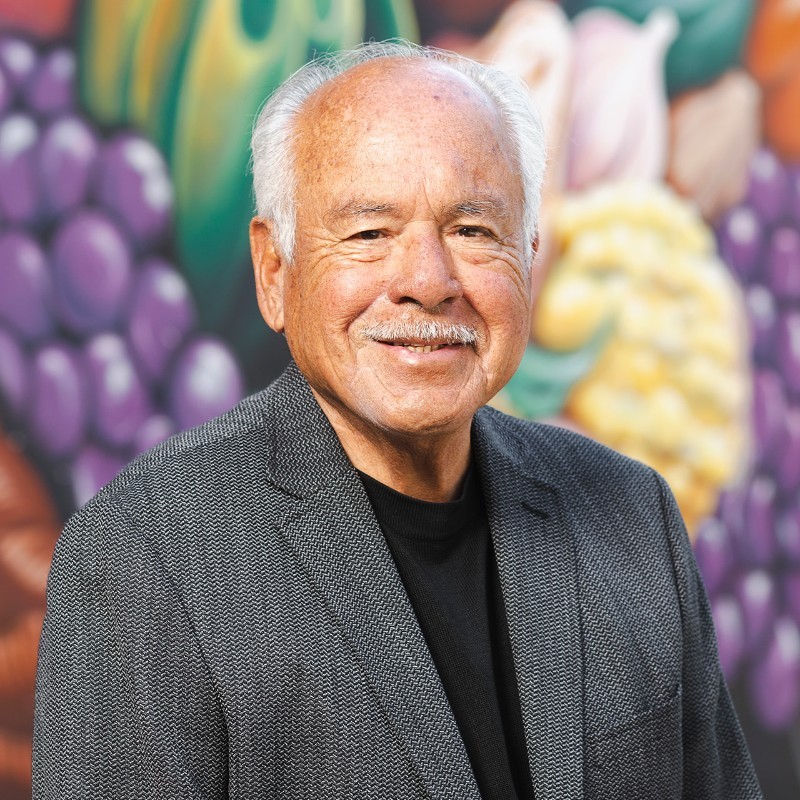
My education experience spans the past 25 years, including roles as President and Board Chair of The National Hispanic University , The Foundation for Hispanic Education, and the Latino Education Advancement Foundation. Currently, I serve on the board of English Together, am the President of SFBU Education Learning, and am the Executive Director of the Silicon Valley Equity in Education Institute.