How Teacher Residencies Drive School Improvement and Equity
Teacher residencies transform traditional educator preparation by embedding candidates in real classrooms alongside expert mentors while they earn their credentials. This specialized approach directly addresses school improvement and equity challenges in high-need districts by ensuring new teachers are fully prepared, culturally responsive, and committed to long-term student success from day one.
Key Takeaways
- Teacher residencies bridge the gap between educational theory and practical classroom execution through immersive, hands-on clinical training.
- Pairing resident teachers with expert mentor educators drastically improves instructional quality and retention rates in high-need schools.
- Residency models actively advance educational equity by diversifying the teaching workforce and preparing educators for the specific needs of diverse communities.
- Systemic school improvement relies heavily on structured partnerships between educator preparation programs and local school districts.
Understanding the Teacher Residency Model
For decades, traditional teacher preparation programs have relied on a decoupled approach to educator training. Preservice teachers spend years studying pedagogy, educational psychology, and curriculum design in university lecture halls, only to experience a profound reality shock when they step into their own classrooms for the first time. This disconnect contributes significantly to high rates of teacher burnout and turnover, particularly in under-resourced urban and rural school districts.
Teacher residencies disrupt this cycle by flipping the script. Modeled after medical residency programs, the teacher residency approach places candidates inside actual classrooms for an entire academic year. Working side-by-side with a master teacher, residents gradually assume teaching responsibilities while simultaneously completing rigorous coursework aligned with their daily classroom experiences. This clinical-first model ensures that theory and practice inform one another continuously, resulting in confident, highly capable practitioners who understand the nuances of managing a dynamic learning environment.
Furthermore, these programs are deeply localized. By embedding candidates directly within the communities and districts where they intend to teach, residencies foster a profound sense of context-specific competence. Candidates learn the socio-cultural fabric of the school community, build relationships with families, and understand the systemic barriers that local students may face. This contextual intelligence is foundational to achieving true equity in education.
Addressing Equity and Retention Through Clinical Practice
Educational equity is not merely about providing equal access to resources; it is about ensuring that every student, regardless of zip code, has access to well-prepared, highly effective educators. Unfortunately, marginalized student populations are disproportionately taught by uncertified or novice teachers who lack the support systems needed to thrive.
Teacher residencies serve as a powerful engine for equity by intentionally recruiting candidates from diverse backgrounds who reflect the demographics of the students they serve. Research consistently shows that students of all backgrounds—and students of color in particular—benefit academically and socially from having teachers who share their cultural background or have been trained in culturally responsive pedagogy. Residencies build intentional pathways into the profession for career changers, paraprofessionals, and community members who might otherwise find traditional, costly certification routes prohibitive.
In addition to diversification, retention is a critical metric of success. Teachers prepared through high-quality residency models stay in the profession at significantly higher rates than their traditionally prepared peers. When new educators feel supported by a collaborative cohort, guided by an expert mentor, and validated by ongoing professional development, they are far less likely to leave the profession within their first three years. This stability is vital for school improvement, as institutional memory and continuous staff development compound over time to build thriving school cultures.
Pathways to Systemic School Improvement
When district leaders look at comprehensive school improvement plans, professional development and instructional coaching usually take center stage. However, true systemic transformation requires looking upstream at how educators are initially recruited, trained, and inducted into the profession.
Integrating residency programs into district-wide improvement strategies creates a sustainable talent pipeline. Instead of engaging in a costly, exhausting annual cycle of recruiting out-of-state or emergency-certified teachers, districts partnering with residency organizations grow their own educators from within. These candidates are socialized into the district's specific instructional framework, mission, and values before they even sign a full-time contract.
Moreover, the presence of resident teachers injects energy and innovation into existing school buildings. Mentor teachers themselves benefit immensely from the experience, often reporting renewed passion for their own practice as they reflect on their pedagogical choices to explain them to a resident. This collaborative synergy elevates the overall instructional bar across the entire school building, turning every participating school into a genuine hub of professional learning.
Four Essential Questions for Educators
To operationalize these insights and inspire educational excellence within your own sphere of influence, consider the following four high-level questions:
- How can your institution or district deepen partnerships with teacher preparation programs to shift from superficial clinical placements to fully immersive residency models?
- In what ways does your current onboarding and mentorship structure support the unique developmental needs of early-career educators in high-need environments?
- How are you actively recruiting and retaining educators who reflect the racial, cultural, and linguistic diversity of your student body?
- What systemic barriers currently prevent marginalized community members from entering the teaching profession, and how can residency pathways dismantle them?
Conclusion
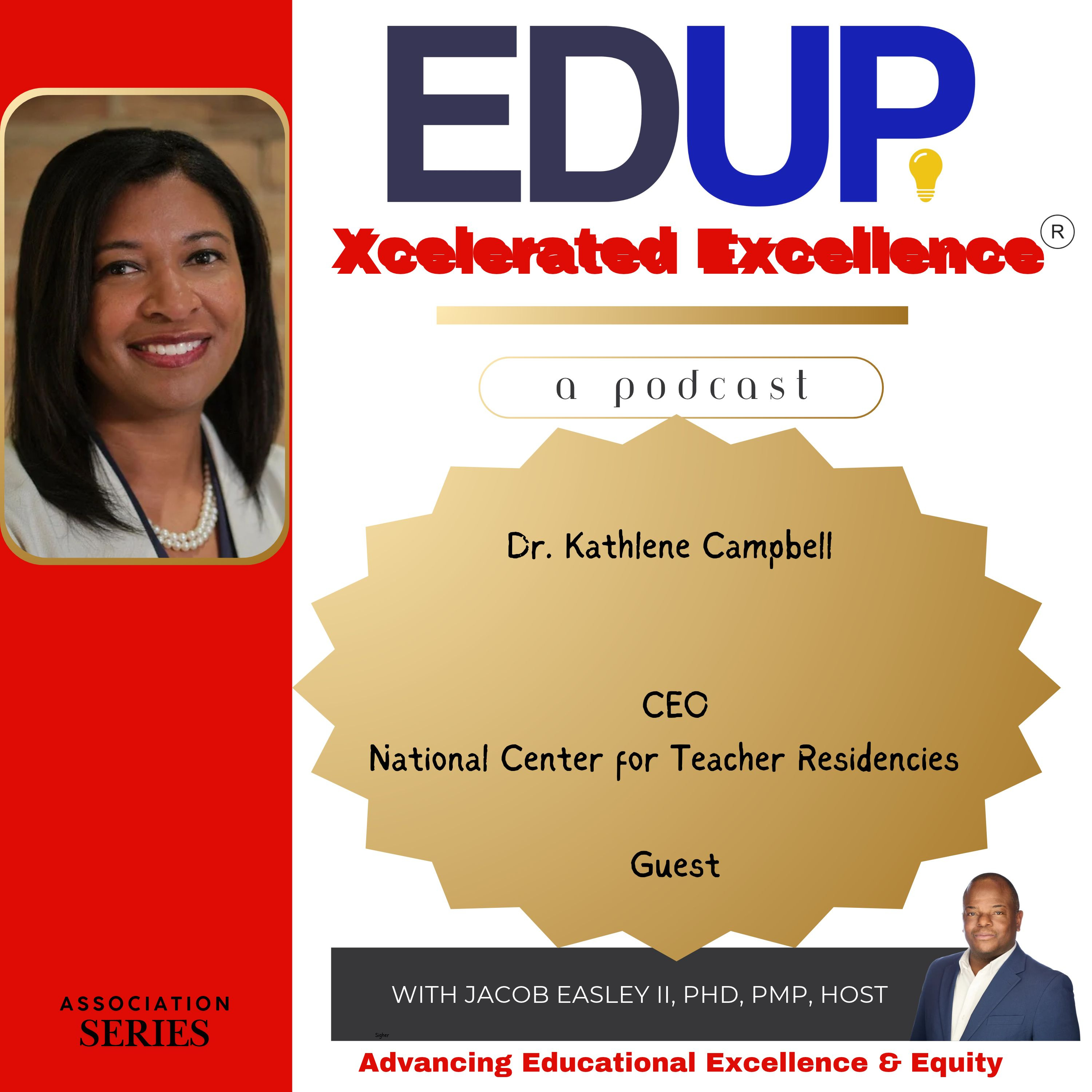
Teacher residencies represent much more than an alternative route to certification; they are a strategic investment in the future of teaching, learning, and equity. By anchoring educator preparation in real-world practice, fostering collaborative mentorship, and centering community context, residencies provide a clear blueprint for sustainable school improvement. To explore this topic further and hear directly from national leaders shaping the future of clinical teacher preparation, listen to the full episode and join the movement toward Xcelerated Excellence in education.
Frequently Asked Questions
What is a teacher residency model?
A teacher residency is an immersive, clinical-based educator preparation program where a candidate spends an entire academic year co-teaching alongside an expert mentor while completing aligned coursework, culminating in full certification and a commitment to teach in the district.
How do teacher residencies improve teacher retention?
Residencies improve retention by eliminating the traditional "reality shock" of first-year teaching. Through gradual release of classroom responsibilities, cohort support, and ongoing mentorship, residents enter the profession with higher confidence and practical preparation.
Why are teacher residencies considered a tool for educational equity?
Residencies promote equity by diversifying the teaching pipeline—often recruiting candidates of color and local community members—and by ensuring that high-need schools receive well-prepared, culturally responsive educators rather than relying on emergency-certified staff.
What is the role of the mentor teacher in a residency program?
Mentor teachers serve as daily instructional guides, co-planning partners, and reflective sounding boards. They model best practices, provide real-time feedback, and gradually delegate full classroom management to the resident over the course of the academic year.
Abolitionist School Discipline Strategies for Turnaround Success