Principal Coaching Framework: How the R.I.S.E. Model Transforms School Culture
Discover how the R.I.S.E. framework transforms struggling school cultures through targeted principal coaching. This practical guide explores how educational leaders use vulnerability, actionable data analysis, and professional accountability partnerships to overcome leadership blind spots, elevate educator morale, and build resilient, high-performing learning communities.
Key Takeaways
- The R.I.S.E. framework stands for Reflect, Invest, Strengthen, and Elevate, offering a structured roadmap for school administrators.
- Vulnerability and psychological safety are essential catalysts for principal growth, allowing leaders to confront blind spots openly.
- Peer-to-peer coaching and self-selected accountability partnerships provide critical support systems when district-assigned coaching is unavailable.
- Action research and qualitative culture survey data help administrators diagnose root issues and track genuine morale improvements.
- Transformational coaching shifts the focus from team dysfunctions to everyday team functions, anchoring development in proven research.
The Hidden Challenge of Isolation in School Leadership
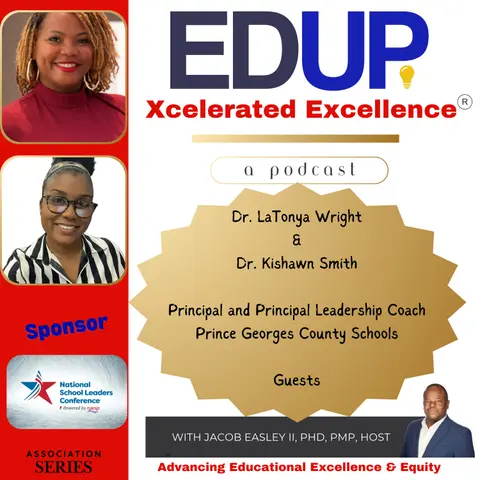
Educational administration is frequently described as a solitary profession. Even seasoned principals with decades of experience encounter complex challenges that cannot be solved in isolation. When evaluation data or staff culture surveys reveal unexpected blind spots, the immediate emotional response can trigger feelings of failure or professional inadequacy. However, as demonstrated by veteran educators Dr. LaTonya Wright and leadership coach Dr. Kishawn Smith, true educational excellence begins the moment a leader embraces vulnerability and seeks out a trusted thought partner.
Traditional administrative evaluation models often lean heavily toward compliance and punitive metrics. In contrast, transformational coaching creates a psychologically safe environment where school leaders can unpack difficult qualitative data without fear. By acknowledging leadership blind spots and confronting hard truths alongside a skilled coach, principals transition from a defensive posture to an active problem-solving stance.
Creating Psychological Safety for Administrators
Principals spend their entire professional lives fostering safe environments for students and teachers, yet they rarely cultivate those same spaces for themselves. Developing an internal culture of confession and reflection allows leaders to self-actualize. When a principal admits that their building culture requires intentional repair, it sets a powerful precedent for the entire faculty. Vulnerability is not a sign of weakness; it is the foundational requirement for sustainable school turnaround.
Unpacking the R.I.S.E. Framework for Principal Coaching
The R.I.S.E. framework provides a systematic approach to professional growth that bridges the gap between technical management and adaptive leadership. By breaking down the acronym, school leaders can evaluate their daily practices and implement structural changes that positively impact teacher retention and student achievement.
R - Reflect: Learn, Adjust, and Grow Together
Reflection is more than a quiet moment at the end of a busy school day. In the R.I.S.E. model, reflection involves systematic action research. Leaders examine qualitative and quantitative culture surveys to identify patterns, celebrate minor victories, and address explicit staff concerns. Reflection requires parsing out emotional reactions to data so that leaders can design realistic, data-driven next steps.
I - Invest: Invest in People, Practices, and Professional Growth
Investment requires deliberate action. Whether a school district assigns a leadership coach or a principal proactively seeks out an accountability partner, professional growth demands time and emotional energy. Principals must invest in understanding their staff's motivations, strengths, and professional goals. This means meeting teachers where they are professionally and walking alongside them to reach shared institutional benchmarks.
S - Strengthen: Strengthen Relationships, Systems, and Collaboration
Sustainable school improvement relies heavily on robust systems and transparent communication. Strengthening relationships involves establishing clear organizational charts, defining leadership roles across the entire staff, and establishing structured routines like professional mastermind groups. When every educator understands their specific sphere of influence and responsibility, operational friction decreases dramatically.
E - Elevate: Elevate Mindset, Expectations, and Impact
Elevation is the ultimate outcome of the coaching journey. By shifting team dynamics away from perceived dysfunctions and toward collaborative strengths, school leaders elevate faculty morale and instructional standards. High expectations are maintained not through authoritarian mandates, but through shared vision, mutual respect, and continuous professional learning.
Leveraging Culture Survey Data to Drive Action
Data-driven decision-making in principal coaching extends far beyond standardized test scores. It requires rigorous analysis of teacher climate surveys, organizational clarity, and staff sentiment. When Dr. Wright analyzed her school's culture survey data, she discovered that while specific communication gaps existed, over ninety percent of her staff remained deeply committed to the school's core mission and vision.
This realization transformed the narrative from a deficit mindset to an asset-based strategy. By organizing survey results around clear goals—such as team-building effectiveness, organizational role clarity, and staff traditions—the administrative team could pinpoint precise deltas. Teachers appreciated having a voice in shaping school rituals, while leadership learned to streamline documentation so that staff could easily access essential resources whenever needed.
Conclusion
Principal coaching is not a remedial intervention for struggling administrators; it is a vital engine for professional renewal and sustainable school improvement. By embracing the R.I.S.E. framework, educational leaders can systematically tackle blind spots, foster deep psychological safety, and build collaborative school cultures where both teachers and students thrive. To hear the complete discussion on overcoming leadership hurdles, Listen to the full episode and discover more strategies for advancing educational excellence.
Frequently Asked Questions
What does the R.I.S.E. framework stand for in principal coaching?
The R.I.S.E. framework stands for Reflect (learn, adjust, and grow together), Invest (in people, practices, and professional growth), Strengthen (relationships, systems, and collaboration), and Elevate (mindset, expectations, and impact).
How can principals find a coach if their district does not provide one?
If district-assigned coaching is unavailable, principals can seek out professional accountability partners, join regional mastermind groups such as those offered through the National Association of Elementary School Principals (NAESP), or connect with experienced instructional leaders who can provide confidential, objective feedback.
Why is vulnerability important in educational administration?
Vulnerability allows school leaders to acknowledge blind spots, process difficult evaluation or survey data without defensiveness, and build authentic psychological safety. This openness encourages teachers to engage more honestly and collaborate effectively on school improvement initiatives.
What role does action research play in principal self-reflection?
Action research helps administrators analyze qualitative and quantitative data regarding school culture and teacher satisfaction objectively. It transforms emotional responses to feedback into structured, measurable goals for professional and institutional growth.